

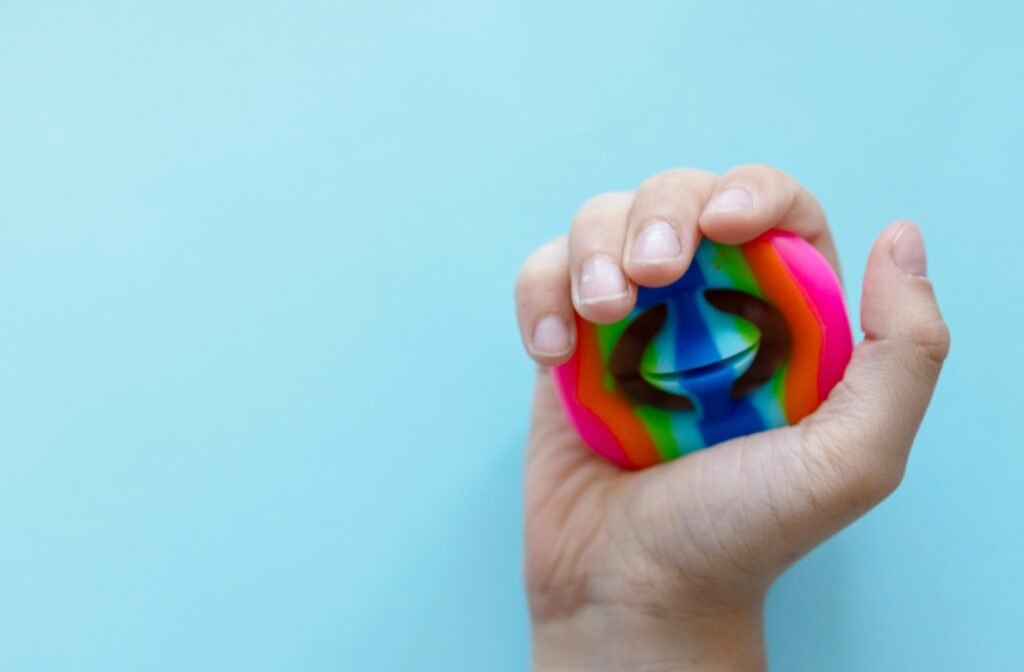
If you’ve searched for fidget toys to calm down, you’ve likely seen thousands of options spread across Amazon, Target, and specialty shops. The sheer volume can feel overwhelming, especially when you are already dealing with a racing mind or restless energy. This guide cuts through the noise. You will learn why certain fidgets work, which types match specific needs, how to choose between adult and kid-friendly options, and where to find the top-rated products this year. No clinical jargon, no exaggerated claims. Just a practical breakdown of sensory tools that can help anchor a busy mind.
Table of Contents
- Why Fidget Toys Work for a Busy Mind
- The 5 Best Types of Fidget Toys for Calming Down
- Fidget Toys for Adults vs. Kids: What to Look For
- Top-Rated Fidget Toys in 2026: A Quick Comparison
- How to Use Fidget Toys Effectively (Tips That Actually Work)
- DIY and Budget Alternatives (When You Don’t Want to Buy)
- Frequently Asked Questions About Fidget Toys
- Conclusion: Finding Your Calm in 2026
Why Fidget Toys Work for a Busy Mind
A busy mind often feels untethered. Thoughts loop, anxiety spirals, and your body holds tension you cannot consciously release. Fidget toys work by giving your brain a physical anchor. This process is called sensory grounding. When your hands engage in repetitive, tactile movement, that input competes with intrusive thoughts for your brain’s attention. The physical sensation becomes a lifeline back to the present moment.
The body’s proprioceptive system, which senses pressure and movement, plays a key role here. Small, deliberate motions like squeezing, rolling, or twisting provide kinesthetic feedback that can help regulate the nervous system. Think of it as giving restless energy a designated exit route. Instead of your mind bouncing between worries, it settles into the rhythm of the movement.

The goal matters. Some people use fidgets for focus, channeling excess energy so they can concentrate on a task. Others use them for calming, easing the physical symptoms of anxiety or stress. The mechanism is similar, but the intention shapes which toy works best. A silent roller might support deep work, while a squishy stress ball might soothe a moment of panic.
It is honest to note that peer-reviewed clinical research on fidget toys is still catching up to the anecdotal evidence. Therapist recommendations and personal testimonials are abundant and compelling, but large-scale studies remain sparse. What this means for you is simple: fidgets are a tool, not a cure. They work best as one piece of a broader stress-management routine, alongside breathing exercises, therapy, or medication when needed.
The 5 Best Types of Fidget Toys for Calming Down
Not all fidgets are created equal. The following five categories represent the most effective types for calming a busy mind, based on market popularity, user testimonials, and therapist-backed design principles.
1. Squishies and Stress Balls (Tactile Compression)
Squishies and stress balls are the simplest entry point into sensory calming. They work through tactile compression, the act of squeezing and releasing. This deep pressure input signals safety to the nervous system, much like a weighted blanket but localized to your hands.
These are best for immediate stress relief, sensory seeking, and redirecting skin-picking or nail-biting urges. The physical resistance of the squeeze replaces the destructive urge with a safe, repetitive motion. Key products include the NeeDoh Nice Cube, Sunny Days Squeezy Peach, and classic Emoji Stress Balls. The NeeDoh line, in particular, has gained a loyal following for its slow-rising, soft texture that never feels sticky or greasy.
2. Pop-Its and Push Pads (Auditory and Tactile)
Pop-its became a viral sensation for a reason. The combination of tactile pushing and a satisfying popping sound creates a multi-sensory feedback loop that can interrupt racing thoughts. Each pop delivers a tiny moment of completion, a micro-reset for a scattered mind.

These are best for anxiety, ADHD, and anyone who benefits from auditory cues. The Chuckle and Roar Pop It and Learn takes this further by adding lights and problem-solving elements, blending sensory play with cognitive engagement. Mini pop-it keychains offer a portable, discreet version for on-the-go use. The repetitive loop of pressing and flipping can become almost meditative, giving your hands a job while your mind processes what it needs to.
3. Fidget Spinners and Rollers (Kinetic Motion)
Spinners and rollers rely on smooth, continuous motion. Unlike the start-stop nature of pop-its, these devices create a flowing kinetic experience. The ONO Roller, rated 4.6 stars on Amazon, exemplifies this category. It rolls silently between your fingers, mimicking the calming effect of rubbing a smooth stone.
These are best for adults, office use, and focus during deep work. The motion is quiet and contained, making it professional enough for a meeting. Metal spinners offer a similar benefit with added weight, which some users find more grounding. The key is the meditative quality of the movement. Your hands stay busy, but your visual attention remains free for the task in front of you.
4. Tangles and Twisty Toys (Manipulation)
Tangles are linked, curved segments that twist and turn into endless configurations. They offer a quieter alternative to pop-its while still keeping fingers fully engaged. The motion is smooth and silent, making them ideal for reading, watching TV, or sitting in meetings where noise would be disruptive.
Twisty the Snake and classic Tangles sensory fidget toys dominate this category. They require no visual attention. You can twist them under a desk or in your lap without ever looking down. This makes them a favorite for students who need to fidget without distracting classmates, and for professionals who want a subtle outlet during long calls.
5. Putty and Therapy Dough (Resistance and Strength)
Putty and therapy dough require more physical effort than other fidgets. The resistance builds hand strength while providing a powerful release for tension and anxiety. Kneading, stretching, and pulling the material engages larger muscle groups in the hands and forearms, which can be deeply calming.
Therapy putty comes in various resistance levels, from soft to extra-firm, allowing you to match the challenge to your needs. NeeDoh Color Changing Cubes offer a similar squish-and-pull experience with a visual twist. This category is especially useful for people who carry stress in their hands or who need a more intense physical outlet to feel grounded.
Fidget Toys for Adults vs. Kids: What to Look For
Choosing a fidget toy means matching the tool to the user’s environment, age, and specific needs. What works for a fourth-grader in a calm-down corner may not suit an adult in an open-plan office.
Adults should prioritize discretion. Look for quiet, professional-looking options that do not draw attention. The ONO Roller, metal spinners, and subtle tangles in neutral colors fit this brief. Avoid bright colors or childish shapes if you plan to use the fidget in a workplace setting. The goal is a tool that blends into your hand, not one that announces itself.
Kids ages four and up have more flexibility, but safety comes first. The Learning Resources Cool Down Cubes set explicitly warns against use for children under three due to choking hazards. For this age group, look for durable, washable materials and engaging multi-sensory features. The Cool Down Cubes include four distinct actions: squeeze foam, spin a spinner, solve a maze, and sift beads. This variety keeps kids engaged while teaching them to identify which sensory input helps them regulate.
Toddlers age three and under require extreme caution. Only use oversized, soft fidgets with no removable parts. Even then, supervision is non-negotiable. A large, seamless squishy might work, but always check manufacturer age recommendations.
The setting also shapes the choice. For classrooms, silent fidgets like putty or tangles prevent disruption. Noisy pop-its with sound effects, however entertaining, can derail a lesson. For home use, the rules relax. A multi-sensory toy like the Chuckle and Roar Pop It and Learn can shine in a living room where lights and sounds are welcome.
Specific needs further refine the selection. For ADHD, high-movement fidgets like spinners, rollers, and tangles allow continuous motion without demanding visual focus. For anxiety, squishies and deep-pressure tools provide the calming compression that soothes a stressed nervous system. For autism sensory regulation, a mix of textures often works best, combining smooth, rough, squishy, and firm options in one accessible kit.
Top-Rated Fidget Toys in 2026: A Quick Comparison
The market is crowded, but a few products consistently rise to the top based on ratings, reviews, and professional endorsements. Here is how they compare.
The ONO Roller, priced around twenty-five to thirty dollars, remains the top-rated adult fidget on Amazon with 4.6 stars across 135 ratings. Its sleek, minimalist design markets it for focus and clarity, and users praise its silent, durable construction.
The Learning Resources Cool Down Cubes set costs $14.99 and holds a 4.9-star rating. Designed for ages four and up, it includes four cubes with distinct actions: squeeze foam, spin a spinner, solve a maze, and sift beads. This variety makes it a standout for calm-down corners in classrooms or at home.
NeeDoh products dominate the budget squishy category. The Nice Cube and Cool Cats variants, priced between six and ten dollars, hold 4.3 stars at Target. The color-changing cubes add a visual element that keeps the experience fresh.
For multi-sensory engagement, the Chuckle and Roar Pop It and Learn leads with 4.8 stars across 226 ratings. Priced at $19.99, it combines lights, sounds, and problem-solving games that blend fidgeting with cognitive skill development.
The 4E’s Novelty 30-Piece Set offers the best value for classrooms or families. At $24.99, down from a regular price of $41.65, it covers multiple fidget types in a single purchase. This variety helps users discover which style works best without buying individual items.
Therapy Shoppe, a retailer known for therapist-approved products, offers niche picks ranging from $3.49 to $13.99. The Ocean Sugar Stress Cube at $5.99 and Emoji Stress Balls at $3.49 provide affordable, professional-endorsed options. For a broader selection, you can explore a dedicated fidget store online that curates sensory tools across multiple categories.
Prices and ratings reflect current market data. Always check the retailer for the latest information before purchasing.
How to Use Fidget Toys Effectively (Tips That Actually Work)
Owning a fidget toy is not the same as using it well. A few practical habits can turn a desk accessory into a reliable calming tool.
Do not force it. If a fidget does not feel right, try another type. The right one is the one you instinctively reach for, not the one a list told you to buy. Your nervous system will let you know what works.
Use it as a break, not a distraction. Set a timer for two to three minutes of focused fidgeting during a stressful task, then put it down. This prevents the tool from becoming a procrastination device while still giving your mind the reset it needs.
Pair the motion with breathing. Squeeze a stress ball on a slow inhale, release on a long exhale. This combination of tactile input and controlled breath deepens the grounding effect and can pull you out of an anxiety spike faster than either technique alone.
Accessibility matters. Keep one fidget at your desk, one in your bag, and one by your bed. You are far more likely to use it when you need it most if it is already within reach.
For skin-picking or nail-biting urges, choose a fidget that provides resistance. Putty or a firm stress ball replaces the physical urge with a safer alternative. The key is matching the intensity of the sensation to the intensity of the urge.
Clean your fidgets regularly. Silicone and plastic toys can be washed with soap and water weekly. Replace putty when it dries out or loses its elasticity. A grimy fidget is less inviting and less hygienic.
DIY and Budget Alternatives (When You Don’t Want to Buy)
You do not need to spend money to benefit from sensory grounding. Several household items can serve as effective fidget tools, and a few simple DIY projects can replicate store-bought options.
Making your own stress ball is straightforward. Fill a sturdy balloon with flour, rice, or playdough, tie it off, and you have a squeezable tool that costs pennies. The texture varies by filling, so experiment to find what feels best.
Everyday objects work in a pinch. A rubber band offers stretch and resistance. A paperclip can be bent and reshaped endlessly. A smooth stone rolled in your palm mimics the ONO Roller’s motion without the price tag. These items sit unnoticed on most desks, ready to become grounding tools when needed.
Existing toys can be repurposed. LEGO bricks provide tactile engagement through snapping and unsnapping. Silly Putty offers the same resistance as therapy putty. Even a deck of cards, shuffled and handled, keeps hands busy and minds anchored.
When deciding between DIY and investing in a dedicated fidget, consider your environment. If you need a silent, professional-looking option for work, buying a purpose-built tool like the ONO Roller is worth the cost. For home use or experimentation, DIY alternatives are perfectly fine. A five-dollar NeeDoh cube can last months, making it a low-risk investment. A twenty-five-dollar set is only worth it if you know you will use multiple types regularly.
Frequently Asked Questions About Fidget Toys
Do fidget toys actually work for anxiety? Anecdotal and therapist-supported evidence says yes for many people. They serve as a coping tool that provides sensory grounding during moments of heightened stress. They are not a replacement for professional treatment but can be a valuable part of a self-regulation toolkit.
Are fidget toys a distraction in the classroom? They can be, if chosen poorly. Noisy or visually stimulating fidgets draw attention away from the lesson. Silent, discreet options like putty or tangles allow students to self-regulate without disrupting peers. Many teachers now incorporate quiet fidgets into their classroom management strategies.
What is the best fidget toy for ADHD? High-motion options that allow continuous movement without requiring visual attention tend to work best. Spinners, rollers, and tangles let the body move while the mind focuses on the task at hand.
Can fidget toys help with skin picking? Yes. Replacing the urge to pick with a tactile squeeze from a stress ball or putty is a common and effective strategy. The key is having the fidget accessible in the moments when the urge typically strikes.
Are there fidget toys safe for toddlers under three? Only if they are oversized, soft, and have no removable parts. Choking hazards are a serious risk with small fidget components. Always supervise young children and follow manufacturer age recommendations strictly.
Conclusion: Finding Your Calm today
The best fidget toy is the one you will actually use. That sounds simple, but it is easy to forget when scrolling through hundreds of options. Start with one or two types based on your primary need. If focus is your struggle, try a roller or tangle. If anxiety hits hard, reach for a squishy or stress ball. Let your body’s response guide you.
Fidgets are a small but powerful addition to a broader self-care routine. They will not solve every problem, but they can offer a moment of grounding when you need it most. That moment matters. It can be the pause that breaks a spiral, the breath that resets a scattered mind.
Ready to find your calm? Explore the top-rated fidget toys mentioned above, or start with a budget-friendly DIY to test the waters. The right tool is out there, waiting for your hands to find it.